
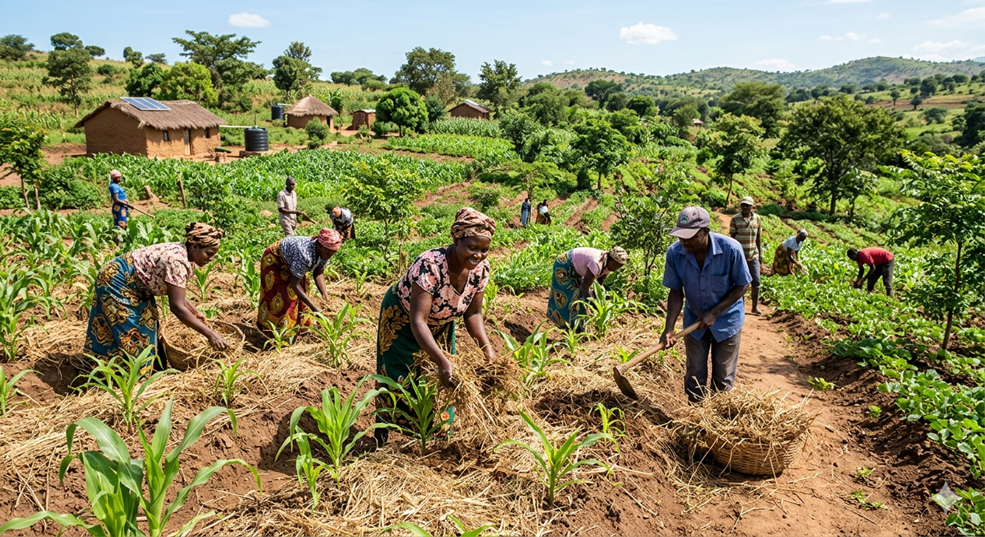
Drought is one of the most devastating consequences of climate change, affecting millions of people worldwide. In many rural communities, especially those dependent on rain-fed agriculture, prolonged periods of little or no rainfall can lead to crop failure, water shortages, food insecurity, livestock losses, and declining household incomes.
As climate change increases the frequency and severity of droughts, rural communities are finding innovative ways to adapt and build resilience. Through local knowledge, community action, and climate-smart practices, many vulnerable populations are learning how to survive and thrive despite challenging environmental conditions.
This article explores five effective strategies rural communities use to adapt to drought and protect their livelihoods.
What Is Drought?
Drought occurs when an area experiences significantly below-average rainfall over an extended period, resulting in water shortages that negatively impact agriculture, ecosystems, and human livelihoods.
Climate change is making droughts more frequent and severe by altering rainfall patterns, increasing temperatures, and accelerating water evaporation from soils and water bodies.
For rural communities that depend heavily on natural resources, drought can have far-reaching consequences, including:
- Reduced crop yields
- Livestock deaths
- Increased food prices
- Water scarcity
- Malnutrition
- Loss of income
- Rural migration
Building resilience to drought is therefore essential for sustainable development and community well-being.
1. Adopting Climate-Smart Agriculture
One of the most effective ways rural communities adapt to drought is through climate-smart agriculture.
Climate-smart farming practices help farmers maintain productivity while reducing vulnerability to changing weather conditions.
Examples Include:
- Drought-resistant crop varieties
- Conservation agriculture
- Mulching
- Crop rotation
- Agroforestry
- Improved soil management
These practices improve soil moisture retention, reduce erosion, and help crops withstand dry conditions.
Benefits
- Increased food security
- Improved crop yields
- Reduced agricultural losses
- Enhanced climate resilience
Image Prompt
A realistic rural African farming community practicing climate-smart agriculture, farmers applying mulch around crops, drought-resistant crops growing successfully, agroforestry trees integrated into farmland, bright natural sunlight, documentary photography style, highly detailed, climate resilience theme.
2. Improving Water Harvesting and Conservation
Water scarcity is often the greatest challenge during drought periods.
To address this, many communities invest in water harvesting and conservation techniques that help capture and store water for future use.
Common Approaches
- Rainwater harvesting systems
- Community water reservoirs
- Small dams and ponds
- Household water storage tanks
- Drip irrigation systems
These solutions help ensure that water remains available during dry seasons and periods of prolonged drought.
Benefits
- Increased water availability
- Improved agricultural productivity
- Reduced pressure on natural water sources
- Enhanced community resilience
Image Prompt
Women and community members collecting water from a rainwater harvesting system in a rural African village, water storage tanks visible, sustainable water management infrastructure, realistic NGO field photography, high detail, hopeful atmosphere.
3. Diversifying Livelihoods
Relying solely on agriculture can leave households highly vulnerable to drought-related losses.
Many communities are therefore diversifying their sources of income to reduce dependence on climate-sensitive activities.
Alternative Livelihood Options
- Small-scale businesses
- Beekeeping
- Poultry farming
- Handicrafts
- Agro-processing
- Vocational skills development
Income diversification helps families maintain financial stability even when agricultural production declines.
Benefits
- Increased household income
- Reduced economic vulnerability
- Greater financial resilience
- Improved quality of life
Image Prompt
Rural women and youth engaged in alternative livelihood activities including beekeeping, soap making, poultry farming, and small business enterprises, vibrant African community setting, realistic development project photography, empowering atmosphere.
4. Restoring Ecosystems and Natural Resources
Healthy ecosystems play a critical role in helping communities withstand drought.
Many rural communities are participating in environmental restoration activities that improve water retention and restore degraded landscapes.
Restoration Activities Include
- Tree planting
- Reforestation
- Watershed protection
- Soil conservation
- Sustainable land management
Trees and vegetation help reduce soil erosion, improve groundwater recharge, and create healthier ecosystems that support livelihoods.
Benefits
- Reduced land degradation
- Improved soil fertility
- Better water retention
- Enhanced biodiversity
Image Prompt
Community members planting trees on degraded land in rural Nigeria, environmental restoration project, lush green seedlings, volunteers working together, climate action and sustainability theme, professional NGO documentary photography.
5. Strengthening Community Early Warning Systems
Access to climate information helps communities prepare for drought before it becomes a crisis.
Many communities now use climate forecasts, weather information, and local monitoring systems to make informed decisions about farming and water management.
Early Warning Measures
- Seasonal weather forecasts
- Community climate monitoring
- Mobile weather alerts
- Farmer field schools
- Local adaptation planning
Timely information enables households to take preventive action and reduce potential losses.
Benefits
- Better preparedness
- Reduced disaster risks
- Improved decision-making
- Increased resilience
Image Prompt
Agricultural extension officer sharing weather and climate information with farmers using mobile technology and community training tools, rural African setting, climate adaptation workshop, realistic documentary style photography.
The Role of Communities in Building Drought Resilience
Adaptation is most effective when communities are actively involved in identifying challenges and developing solutions.
Local knowledge, community participation, and partnerships with governments, NGOs, and development agencies are essential for strengthening resilience to climate change.
By combining traditional practices with innovative climate solutions, rural communities can better prepare for future droughts and safeguard their livelihoods.
Conclusion
Drought remains one of the most significant threats facing rural communities in the era of climate change. However, communities are demonstrating remarkable resilience through climate-smart agriculture, water conservation, livelihood diversification, ecosystem restoration, and early warning systems.
Investing in these adaptation strategies not only helps communities cope with current challenges but also strengthens their ability to withstand future climate shocks.
Building drought resilience is not simply about surviving dry periods—it is about creating sustainable, thriving communities that can adapt and prosper in a changing climate.
Call to Action
At GERI, we work with vulnerable communities to strengthen climate resilience, promote sustainable livelihoods, and support adaptation to climate change impacts.
Join us in advancing climate action and building resilient communities for future generations.
Support Climate Resilience | Partner With Us | Become a Climate Champion
