
For millions of girls around the world, including many in Nigeria, menstruation remains a significant barrier to education, health, and personal development. While menstruation is a natural biological process, inadequate access to menstrual hygiene products, clean water, sanitation facilities, and accurate information can turn a normal life event into a major challenge.
In many schools, girls face difficulties managing their periods safely and with dignity. As a result, some miss classes, fall behind academically, or even drop out of school altogether.
Menstrual Hygiene Management (MHM) is more than a health issue—it is an education issue, a gender equality issue, a human rights issue, and a critical component of sustainable development.
Creating school environments where girls can manage menstruation safely and confidently is essential for building healthier, more equitable, and climate-resilient communities.
What Is Menstrual Hygiene Management?
Menstrual Hygiene Management refers to the ability of women and girls to:
- Access clean menstrual products
- Use safe and private sanitation facilities
- Have access to clean water and soap
- Dispose of menstrual waste safely
- Receive accurate information about menstruation
- Manage menstruation without stigma or discrimination
Effective MHM ensures that girls can participate fully in school, social activities, and community life.
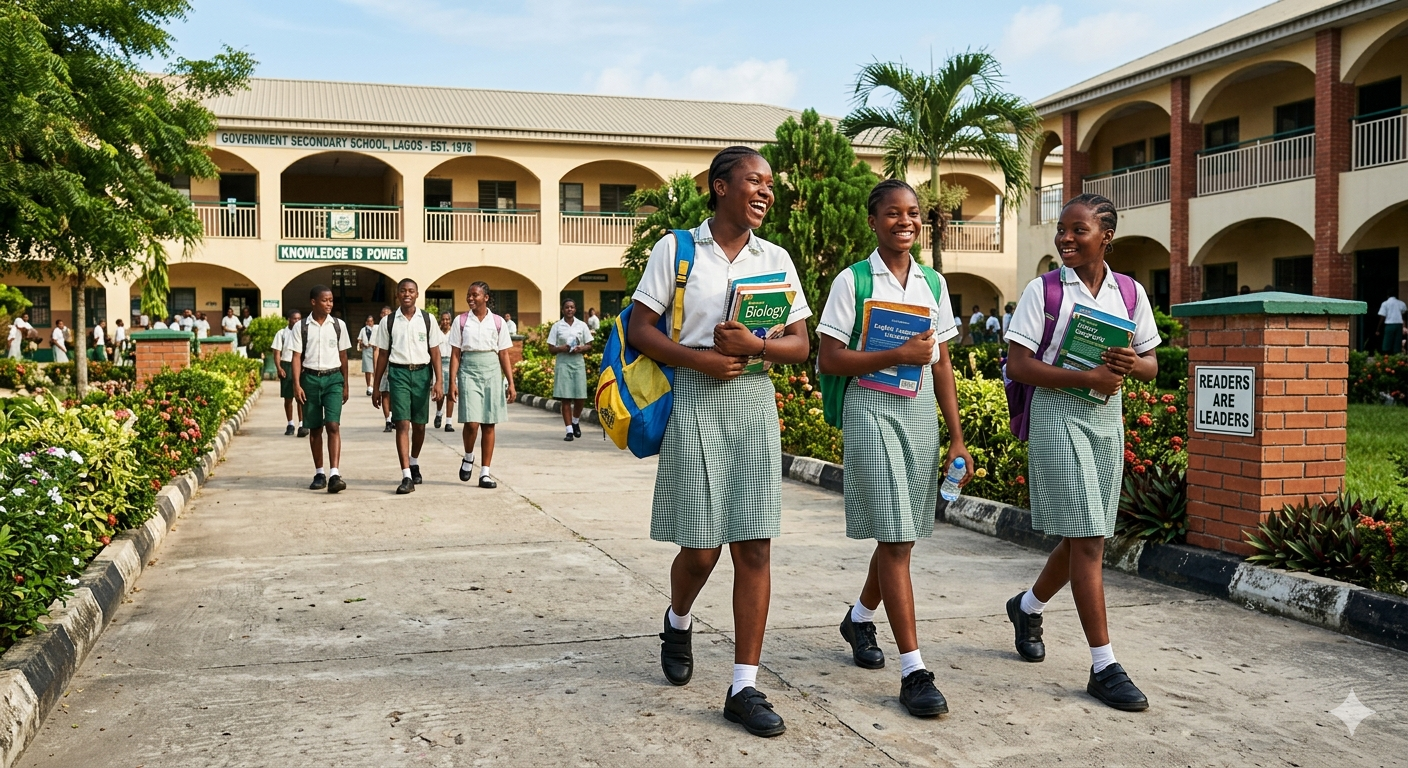
Image Prompt 1
Prompt:
“Confident Nigerian schoolgirls walking to school with books and backpacks, clean school environment, positive education setting, promoting dignity and empowerment, realistic documentary photography, natural lighting.”
The Reality of Menstrual Hygiene Challenges in Schools
For many girls, school becomes a difficult place during menstruation.
Challenges often include:
- Lack of separate toilets for girls
- Limited access to clean water and soap
- Absence of menstrual hygiene products
- Inadequate waste disposal facilities
- Fear of embarrassment or teasing
- Cultural taboos surrounding menstruation
When schools lack appropriate WASH facilities, girls may feel uncomfortable, unsafe, or unable to manage their periods effectively.
The consequences can extend far beyond a few missed school days.
How Poor Menstrual Hygiene Management Affects Education
Increased School Absenteeism
Many girls stay home during their menstrual periods because they lack the resources or facilities needed to manage them at school.
Missing several days of school each month can accumulate into significant learning losses over time.
Reduced Academic Performance
Frequent absences make it difficult for students to keep up with lessons, assignments, and examinations.
This can affect confidence, participation, and academic achievement.
Increased Risk of School Dropout
In some cases, persistent menstrual hygiene challenges contribute to girls leaving school entirely, limiting their future opportunities.
Education is one of the strongest drivers of economic empowerment, making menstrual hygiene management an important factor in breaking cycles of poverty.
Image Prompt 2
Prompt:
“Modern school sanitation block designed for girls, featuring clean toilets, handwashing stations, water access, and privacy. Safe and hygienic educational environment, realistic NGO project photography.”
Menstrual Hygiene and Girls’ Health
Poor menstrual hygiene can lead to several health challenges.
Without access to clean materials and proper sanitation facilities, girls may experience:
- Skin irritation
- Reproductive tract infections
- Stress and anxiety
- Reduced overall well-being
Inadequate hygiene facilities also increase exposure to unsafe sanitation conditions, particularly in underserved communities.
Ensuring access to clean water, sanitation, and menstrual products is essential for protecting girls’ health and dignity.
The Emotional and Psychological Impact
Menstruation is often surrounded by silence, myths, and stigma.
Many girls grow up receiving limited information about menstrual health.
This lack of knowledge can create:
- Fear
- Shame
- Embarrassment
- Low self-esteem
- Social isolation
Some girls avoid participating in class discussions, sports activities, or social events during their periods.
Creating supportive school environments helps build confidence and encourages full participation in education.
Menstrual Hygiene Management and Gender Equality
Gender equality cannot be achieved without addressing barriers that uniquely affect girls.
Menstrual hygiene management directly contributes to:
Equal Educational Opportunities
Girls are better able to attend school consistently and perform academically.
Improved Health Outcomes
Access to safe sanitation facilities promotes physical and mental well-being.
Greater Confidence and Empowerment
Girls who can manage menstruation safely are more likely to participate actively in school and community life.
Economic Opportunities
Completing education increases future employment and entrepreneurship opportunities.
When girls succeed, communities thrive.
Image Prompt 3
Prompt:
“Female students participating confidently in a classroom discussion, engaged in learning, diverse group of Nigerian schoolgirls, education and empowerment theme, bright and inspiring school environment.”
The Link Between WASH and Menstrual Hygiene Management
Water, Sanitation, and Hygiene (WASH) services are fundamental to effective menstrual hygiene management.
Schools should provide:
Safe and Private Toilets
Girls need secure facilities where they can change menstrual materials comfortably.
Access to Water
Reliable water access is essential for personal hygiene and cleaning.
Handwashing Facilities
Soap and water help maintain hygiene and prevent infections.
Menstrual Waste Disposal Systems
Schools should provide safe and environmentally responsible disposal options.
Without these services, managing menstruation becomes significantly more difficult.
Climate Change and School WASH Facilities
Climate change is increasingly affecting water availability and sanitation infrastructure.
Floods, droughts, and extreme weather events can damage school facilities and reduce access to clean water.
Climate-resilient WASH systems help ensure that schools remain safe and functional even during environmental shocks.
Climate-Smart Solutions Include:
- Rainwater harvesting systems
- Solar-powered water supply systems
- Flood-resistant sanitation facilities
- Sustainable waste management systems
Integrating climate resilience into school WASH programs protects both students and infrastructure.
Image Prompt 4
Prompt:
“Climate-resilient school WASH facility in a Nigerian community with rainwater harvesting systems, handwashing stations, and clean sanitation infrastructure. Sustainable development and environmental resilience theme.”
The Role of Schools in Supporting Menstrual Hygiene
Schools play a crucial role in creating supportive environments for girls.
Effective approaches include:
- Menstrual health education programs
- Teacher training and awareness
- Availability of emergency menstrual products
- Gender-sensitive sanitation facilities
- Anti-bullying and anti-stigma initiatives
When schools prioritize menstrual hygiene management, girls are more likely to remain engaged in their education.
How NGOs Are Making a Difference
Non-governmental organizations are helping bridge gaps in menstrual hygiene management through:
- School WASH infrastructure projects
- Distribution of menstrual hygiene products
- Menstrual health education campaigns
- Community awareness programs
- Teacher and parent training
- Advocacy for gender-responsive policies
These interventions help create safer and more inclusive learning environments.
What Needs to Change?
To ensure every girl can learn with dignity, stakeholders must work together to:
- Improve school WASH infrastructure
- Increase access to affordable menstrual products
- Promote menstrual health education
- Challenge harmful myths and stigma
- Strengthen gender-sensitive education policies
- Invest in climate-resilient sanitation systems
Sustainable solutions require collaboration between governments, schools, communities, NGOs, and development partners.
Image Prompt 5
Prompt:
“Empowered Nigerian schoolgirls celebrating educational success in a clean and inclusive school environment, smiling confidently, representing health, dignity, gender equality, and a brighter future. Professional NGO impact photography.”
Conclusion
Menstrual hygiene management is not simply a matter of personal hygiene—it is a critical factor in education, gender equality, health, and sustainable development.
When girls lack access to safe sanitation facilities, clean water, menstrual products, and accurate information, their education and future opportunities are placed at risk.
By investing in school WASH facilities, menstrual health education, and climate-resilient sanitation systems, we can create learning environments where every girl can attend school confidently, participate fully, and achieve her potential.
A girl’s future should never be determined by whether she can manage her period safely at school.
Ensuring menstrual dignity today helps build stronger, healthier, and more equitable communities tomorrow.
